Script Number Nine: A Designer’s Craft Fair Review
As an embroidery designer preparing for a busy weekend craft fair, my selection process is rigorous. I cannot afford to waste production time on fonts that cause registration issues or fail to catch the eye of a passerby. When evaluating Script Number Nine for my upcoming market booth, I am looking at more than just digital aesthetics; I am assessing its viability as a high-turnover craft fair product. This style script embroidery font presents a unique opportunity for vendors, but like any specialized tool, it requires strategic application to maximize sales and minimize production headaches.
First Impressions and Booth Appeal
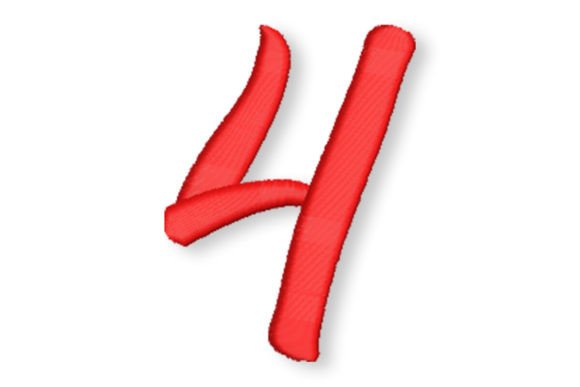
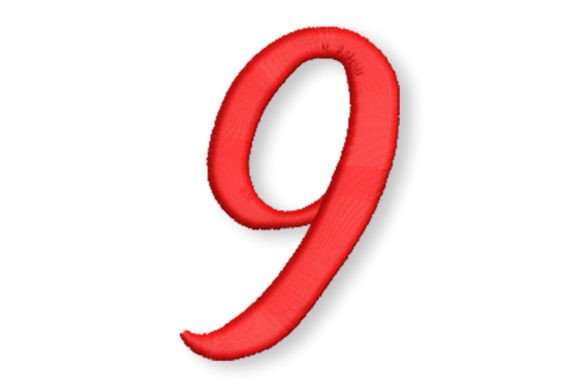
Upon loading the digital embroidery file, Script Number Nine immediately reads as modern yet approachable. It strikes a delicate balance between elegant calligraphy and readable block lettering. For a handmade product line, this is crucial. At a craft fair, customers scan tables in seconds. They need to recognize the text instantly while still feeling the artisanal quality of the work. This font does not feel overly rustic or distressed, nor is it stiffly corporate. Instead, it carries a soft, premium vibe that suggests higher value without alienating buyers looking for everyday usability.
For those focusing on Back To School merchandise, this typeface offers a sophisticated alternative to standard collegiate blocks. It feels personal and customized, which is exactly what parents and students seek when buying personalized gear. However, its versatility extends far beyond seasonal trends. The fluid connectivity of the script implies motion and craftsmanship, making it an excellent candidate for year-round boutique items where brand consistency matters.
Best Performing Products for Market Sales
Not every font works on every substrate. Based on the stitch structure typical of style scripts, I have identified specific products where Script Number Nine will likely generate the highest return on investment for Etsy sellers and market vendors.
- Tote Bag Design: Canvas totes are craft fair staples. Script Number Nine provides enough visual weight to stand out against natural cotton canvas without requiring excessive underlay that stiffens the bag. It works beautifully as a centered monogram or a vertical name placement.
- Apron Embroidery: For kitchen and workshop aprons, legibility is key. This font maintains clarity even when viewed from a distance across a booth table. It elevates a basic utility item into a giftable small shop product.
- Tea Towel Embroidery: Linen and flour sack towels demand a refined touch. The elegance of this script complements the fabric texture rather than fighting it. It is ideal for family name gifts or holiday hosting essentials.
- Fabric Pouches and Zipper Bags: These are high-volume impulse buys. Because the design area is smaller, you must verify the minimum size limits. If scaled correctly, this font adds perceived value to simple zipper pouches, allowing for a higher price point.
Production Reality: Stitch Density and Stabilization
A beautiful screen font can become a production nightmare if the digitizing ignores physical constraints. As a professional, I always inspect stitch density before committing to batch production. Style scripts often feature variable stroke widths that can lead to puckering on lightweight fabrics if not properly stabilized.
When using Script Number Nine on stretchy knits or textured towels, do not rely solely on hooping. Use a cut-away stabilizer for garments to prevent distortion during the stitching of connecting ligatures. For tea towels, a tear-away with a water-soluble topping is often necessary to keep the delicate loops of the script from sinking into the weave. Always confirm your hoop size capabilities before purchasing; ensure the largest version of the font fits your machine’s maximum field, or plan to resize within safe parameters to maintain stitch integrity.
Furthermore, check the compatibility of the embroidery file with your specific machine. While this machine embroidery design comes with multiple formats, some machines interpret complex satin stitches differently. Running a test sew-out is non-negotiable. I recommend testing on the exact material you intend to sell. A design that looks perfect on quilter's cotton might tunnel on performance fleece.
Critical Caution Areas for Sellers
To protect your reputation and reduce waste, be mindful of these limitations when deploying Script Number Nine in a commercial setting:
- Small Lettering Clarity: Avoid scaling this font below its recommended minimum height. Style scripts lose their defining characteristics when compressed, resulting in thread breaks and illegible text. If you need tiny labels, choose a dedicated micro-font instead.
- Curved Surfaces: Be cautious when applying this to structured caps. The horizontal flow of a script can look distorted on a curved brim unless you use a cap-specific frame and potentially arc the text in your software first.
- Dark Fabrics: High-contrast thread colors are essential. On dark navy or black fabric, ensure the stitch count is sufficient to provide full coverage. You may need to add an underlay specifically for color contrast to prevent the dark fabric from showing through the script loops.
- Batch Consistency: When producing twenty identical tote bags, mark your placement precisely. Script fonts highlight alignment errors more than block letters. Use templates or laser guides to ensure every finished product looks uniform.
Merchandising and Digital Presentation
Your job isn't done when the needle stops. How you present Script Number Nine determines whether it sells online or at the booth. For commercial embroidery success, photography is paramount. This font photographs exceptionally well because of its clean lines, but you must style it appropriately.
Create a real mockup rather than relying solely on digital previews. Customers trust photos of actual stitched goods. Show the texture of the thread and the drape of the fabric. For Etsy seller listings, include a close-up macro shot to demonstrate stitch quality. This builds confidence in your handmade quality and justifies premium pricing.
At the craft fair, group items embroidered with Script Number Nine together to create a cohesive collection. Visual repetition reinforces brand identity. If you offer custom personalization on-site, have a printed chart displaying the font clearly so customers can visualize their names. This reduces decision fatigue and speeds up sales transactions.
Designer’s Final Checklist Before Selling
Before listing any item featuring Script Number Nine as a craft fair product, complete this verification list:
- Verify commercial licensing terms for the specific font file to ensure you can legally sell finished goods.
- Test stitch on scrap fabric matching your final product weight.
- Confirm thread contrast and readability at arm's length.
- Check spacing and kerning for common names you expect to personalize.
- Inspect the back of the embroidery for excessive jump stitches or messy trims.
- Create at least one physical sample for display and photography.
Script Number Nine is a powerful asset for creative entrepreneurs who understand its strengths. By respecting the technical requirements of design assets and aligning them with market-ready products, you transform a simple font file into a profitable business tool. Whether you are stocking a booth for the Back To School rush or building a year-round bridal and gift inventory, this typeface offers the professional polish that discerning handmade buyers appreciate. Approach it with technical care, and it will serve your business beautifully.