School Supplies Embroidery: A Designer’s Practical Review
As a professional embroidery designer and product reviewer, I approach every new machine embroidery design with a critical eye. It is not enough for a graphic to look charming on a screen; it must perform under the needle and add tangible value to a finished product. When evaluating the "School Supplies" design, my primary focus is on its versatility within the Back To School category and its technical viability for real-world production. This review breaks down how this design translates from a digital file to a physical asset for crafters, Etsy sellers, and apparel decorators.
First Impressions and Visual Personality
Upon loading the embroidery file, the immediate impression of School Supplies is one of organized nostalgia. The layout suggests a playful yet structured aesthetic that avoids looking cluttered—a common pitfall in thematic embroidery. The visual personality strikes a balance between juvenile charm and clean graphic design, making it suitable for both children’s items and adult stationery lovers. For a handmade product, this mood is essential. Customers are not just buying stitches; they are buying a feeling of preparedness and academic pride.
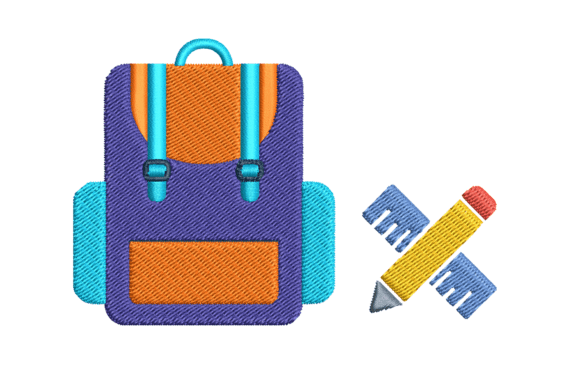
The design appears to rely on a mix of outline work and filled elements. From a designer's perspective, this balance is crucial. Too much dense fill can make a garment stiff, while too little detail can look cheap on high-quality fabrics. School Supplies seems to navigate this middle ground well, offering enough visual weight to stand out on a tote bag design without overwhelming lighter materials like cotton lawn or quilting fabric. The shapes are distinct, which bodes well for stitching clarity at various sizes.
Real-World Application: The Custom Tote Bag Test
To truly evaluate this design, I mentally placed it in a specific production scenario: creating a line of custom teacher appreciation tote bags for an upcoming craft fair. In this context, School Supplies serves as more than just decoration; it acts as a niche identifier. When stitching onto canvas or denim, the design needs to hold its shape against the fabric texture.
In this real-life application, I would likely pair the School Supplies motif with a personalized name using a complementary font. The design provides the thematic anchor, while the personalization drives the sale. For Etsy sellers, this combination increases perceived value. A generic school-themed bag is a commodity; a personalized, professionally stitched item is a personalized gift. The design’s composition allows for easy placement of text below or beside the main graphic without requiring excessive re-hooping, streamlining production time for small business owners.
Furthermore, for those creating sweatshirt embroidery for fall collections, this design offers a cozy, collegiate vibe. On fleece or French terry, the stitches sink slightly, creating a soft, integrated look rather than a sticker-like patch. This integration is key for custom apparel where comfort is as important as aesthetics. Parents buying back-to-school gear want items that feel durable and washable, not stiff or scratchy.
Technical Considerations and Fabric Compatibility
While the aesthetic is strong, practical execution requires attention to technical variables. Not all fabrics treat stitch density equally. If you plan to use School Supplies on stretchy knits for baby clothes or t-shirts, proper stabilization is non-negotiable. I recommend testing with a cut-away stabilizer to prevent puckering around the edges of the design. The description notes that this design comes with multiple formats, but always verify your specific hoop size compatibility before purchasing. Nothing halts production faster than realizing a design exceeds your machine’s maximum stitch area by mere millimeters.
Be cautious when applying this design to highly textured surfaces like terry cloth towels or plush blankets. Fine details in school supply icons—such as pencil tips or notebook lines—can get lost in the pile. In these cases, consider using a water-soluble topping to keep the stitches crisp. Conversely, on thin fabrics like voile or linen, ensure the design isn't too dense. Heavy satin stitches on lightweight material can cause tearing or distortion. Always run a test stitch-out on scrap fabric that matches your final project’s weight and weave.
For makers interested in creating an embroidered patch, School Supplies could work beautifully if backed with heavy stabilizer and finished with a merrowed or satin border. However, check the outer edge definition first. Patches require clean, continuous perimeter stitches. If the design has scattered elements without a unifying border, it may be better suited for direct-to-garment embroidery rather than standalone patch production.
Commercial Viability and Brand Consistency
For creative entrepreneurs and digital product sellers, consistency is currency. School Supplies fits neatly into a broader Back To School collection, allowing for cohesive shop branding. When listing items online, the design’s clear lines photograph well, translating effectively to printable mockups and digital previews. Buyers need to see exactly what they are getting, and designs with muddy digitizing often result in returns or negative reviews.
However, a word of caution regarding licensing: always confirm the terms of use included with the digital embroidery file. While many designs allow for selling finished physical products, some restrict mass production or digital redistribution. As a craft business owner, protecting your shop from copyright issues is as important as thread tension. Verify whether you can use the design for commercial embroidery services or if it is limited to personal hobbyist use.
From a marketing standpoint, this design supports higher price points when executed correctly. A well-stitched School Supplies motif signals professionalism. It tells the buyer that the maker understands scale, color contrast, and fabric behavior. This trust is what converts browsers into repeat customers. Whether used on a nursery pillow, a holiday gift for a student, or boutique merchandise, the design carries an inherent recognition factor that resonates with buyers during the seasonal rush.
Designer Notes for Optimal Results
Before committing School Supplies to your next batch of inventory, consider these practical checkpoints derived from professional experience:
- Contrast Check: Test thread colors against both light and dark backgrounds. Yellow pencils may vanish on cream fabric but pop on navy. Adjust your palette based on the base garment color.
- Density Review: Inspect the file in editing software. If the fill stitches seem overly packed for your target fabric, consider reducing density by 10-15% to improve drape and reduce needle penetrations.
- Small Detail Inspection: Zoom in to 400%. Are there tiny jumps or loose running stitches? Clean these up manually if necessary to prevent thread nests during production.
- Wash Testing: If producing baby embroidery or kitchen linens, wash and dry a sample three times. Ensure the design holds up to frequent laundering without fraying or distorting.
- Mockup Validation: Create black and white versions of your product photos. If the design reads clearly without color, the silhouette and digitizing are solid.
Ultimately, School Supplies is a promising asset for the embroiderer who values both whimsy and wearability. It captures the spirit of education and organization without sacrificing technical integrity. By respecting fabric limitations and leveraging its nostalgic appeal, makers can transform this embroidery project into a bestseller. Remember, the best designs are those that disappear into the object, enhancing the whole rather than dominating it. With careful preparation and thoughtful application, this design is ready to earn its place in your hoop and your shop.