Origano Embroidery Font: A Seasonal Design Review
As an embroidery designer preparing for the upcoming seasonal rush, selecting the right typography is just as critical as choosing the perfect holiday motif. When I first loaded the Origano Embroidery Font into my digitizing software, I was immediately struck by its potential to bridge the gap between nostalgic charm and modern elegance. For those of us managing Etsy shops or small apparel businesses, finding a versatile machine embroidery design that works across multiple product categories is a rare find. This review breaks down my practical experience testing this font for holiday collections, gift bundles, and personalized goods.
First Impressions: Elegance Meets Festive Warmth
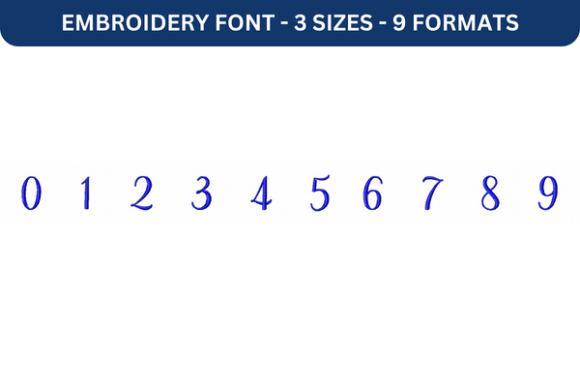
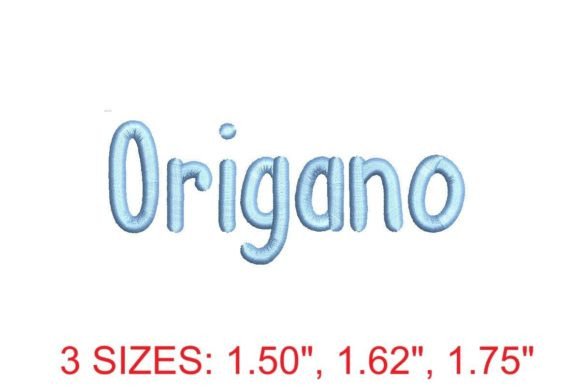
The description promises that Origano is a gateway to distinctive designs, and upon initial inspection, it delivers a sophisticated aesthetic. Unlike blocky collegiate fonts often associated with standard sweatshirt embroidery, Origano carries a fluid, organic quality. It feels premium yet approachable, making it ideal for customers seeking a personalized gift that looks high-end rather than mass-produced.
Emotionally, this font strikes a balance between cozy and refined. It does not scream "holiday" in a kitschy way; instead, it whispers elegance. This makes it exceptionally useful for transitional seasons. While categorized under Back To School, its decorative style translates seamlessly into autumn harvest themes, Thanksgiving table linens, and even minimalist Christmas decor. The letterforms have enough detail to feel special on a pillow cover but remain legible enough for functional items like kitchen towel embroidery.
Real-World Application for Holiday Sellers
When planning a seasonal shop collection, versatility drives profitability. I tested the Origano Embroidery Font across several key product types to see how it performs in real selling situations.
- Sweatshirts and Apparel: On crewneck sweatshirts, this font shines when used for names or short phrases. Its elegant structure elevates a basic garment into a boutique-style piece. It pairs beautifully with botanical line art or simple festive icons.
- Tote Bags and Accessories: As a tote bag design, Origano offers excellent readability from a distance. The stitch definition holds up well on canvas, making it perfect for holiday market bags or teacher appreciation gifts during the back-to-school transition.
- Home Decor and Linens: This is where the font truly excels. I stitched samples on linen napkins and tea towels. The flow of the letters complements the fabric texture without overwhelming it, creating a heirloom quality that buyers love for hostess gifts.
- Ornaments and Keepsakes: For smaller items, the font retains its character. It adds a touch of romance to ceramic or wood ornaments, distinguishing your handmade gift offerings from generic store-bought alternatives.
For Etsy sellers, this font aids in creating cohesive listing photos. Because the style is distinct, using it across various products helps build visual recognition and brand consistency. Customers begin to associate that specific typographic style with your shop's quality.
Navigating Technical Limitations and Fabric Choices
No digital embroidery file is perfect for every scenario, and professional judgment is required when applying Origano to challenging substrates. During my testing, I identified specific areas where caution is necessary.
Small Hoop Sizes and Tiny Lettering
While elegant, the intricate details of Origano can be lost if scaled too small. If you are embroidering onto curved caps or tiny tags, verify the minimum height recommendations in your file details. Reducing the size excessively may cause the decorative elements to merge, resulting in thread breaks or illegible text. Always test on scrap fabric before committing to a final hoop size.
Thick Towels and High-Pile Fabrics
On plush terry cloth or minky fabrics, the delicate nature of this font requires extra preparation. Without proper stabilization, the stitches can sink into the pile. I recommend using a water-soluble topping and a firm cut-away stabilizer to keep the lettering crisp. If the fabric is extremely thick, consider using this font only for larger monograms rather than full sentences.
Metallic Threads and Stretchy Garments
The elegance of Origano tempts many designers to use metallic threads for holiday sparkle. However, complex fonts can be unforgiving with metallics due to friction. If using specialty threads, slow down your machine speed and use a larger needle. Additionally, on stretchy knits, ensure your stabilizer prevents distortion, as the fluid lines of this font will show any puckering more obviously than a block letter would.
Enhancing Seasonal Appeal and Buyer Trust
In the competitive landscape of seasonal embroidery, perceived value dictates price point. The Origano Embroidery Font inherently increases the perceived value of a finished product because it avoids the "default font" look. When a customer sees a name embroidered in a custom, meticulously crafted typeface, they trust that the maker has invested in quality assets.
This trust is vital during the holiday shopping frenzy. Buyers are looking for gifts that feel thoughtful. Whether you are creating matching family pajamas or a set of personalized aprons, this font communicates care. It also photographs exceptionally well for social media previews and printable mockups. The contrast and flow of the letters make for eye-catching thumbnails in search results, directly impacting click-through rates and engagement.
Designer Notes: Best Practices for Success
To maximize the potential of this embroidery file in your commercial or hobbyist workflow, adhere to these practical guidelines derived from my testing process:
- Verify Licensing: Before selling any finished product featuring this font, confirm the commercial licensing terms provided by the digitizer. Ensure you are compliant for both physical goods and digital file sales if applicable.
- Test Thread Colors: Seasonal palettes vary wildly. Test the font in deep forest greens and burgundies on cream fabric, as well as gold on navy. Contrast is key to maintaining the font’s elegance.
- Check Stitch Density: Review the density settings for your specific fabric. If stitching on lightweight cotton for baby items, you may need to reduce density slightly to prevent stiffness. Conversely, increase support for heavier denim jackets.
- Create Realistic Mockups: Do not rely solely on digital previews. Stitch out at least one sample in each size range you plan to offer. Photograph the actual embroidered patch or garment to show customers true scale and texture.
- Plan Color Palettes: Origano pairs best with muted, sophisticated tones or classic holiday brights. Avoid neon colors unless targeting a very specific niche, as they can clash with the font’s inherent elegance.
- Review Small Details: After stitching, inspect the tie-ins and jump stitches. While the file should be optimized, different machines handle trims differently. Clean finishing is what separates professional commercial embroidery from amateur attempts.
Ultimately, the Origano Embroidery Font is a strong contender for any seasonal product lineup. It offers the flexibility needed for diverse inventory while maintaining a consistent, upscale aesthetic. By understanding its technical requirements and leveraging its emotional appeal, you can create holiday collections that resonate deeply with shoppers and stand out in a crowded marketplace. Remember to always check the specific file details regarding formats and sizes before purchasing, and happy stitching for the upcoming season.