Melany Script Font Upper A to I Review
As an embroidery designer who manages a steady stream of custom orders and digital product listings, finding reliable typography is often more challenging than sourcing complex artwork. When browsing Creative Fabrica embroidery assets for upcoming seasonal projects, the Melany Script Font Upper a to I caught my attention. While the product description highlights its utility for names, dates, and quotes, I needed to verify if this specific uppercase set could withstand the rigors of commercial production. After integrating this machine embroidery design into my workflow for personalized gifts and apparel, here is my honest evaluation of its performance, versatility, and value for fellow makers and shop owners.
First Impressions and Visual Character
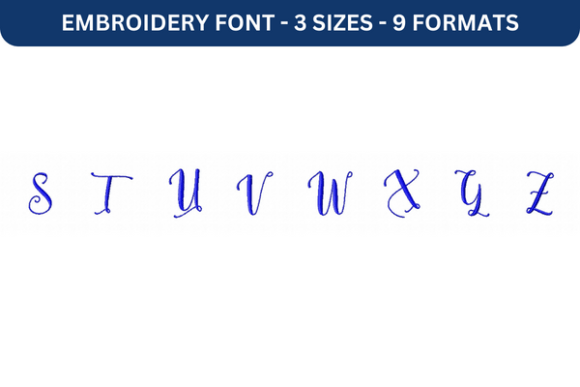
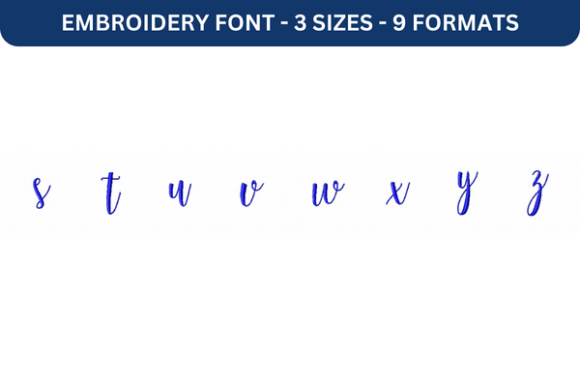
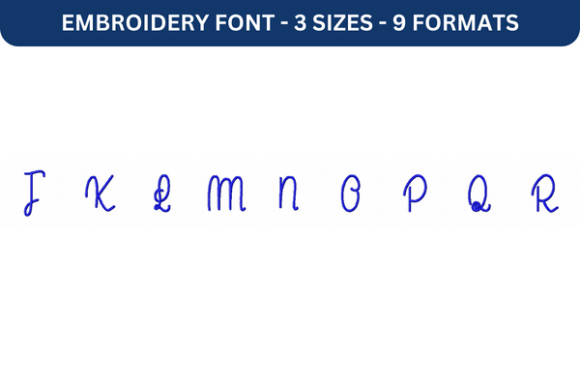
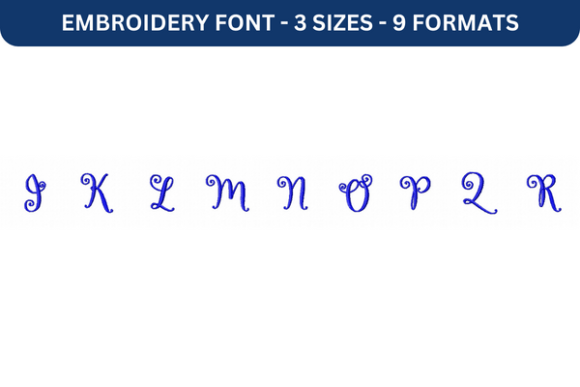
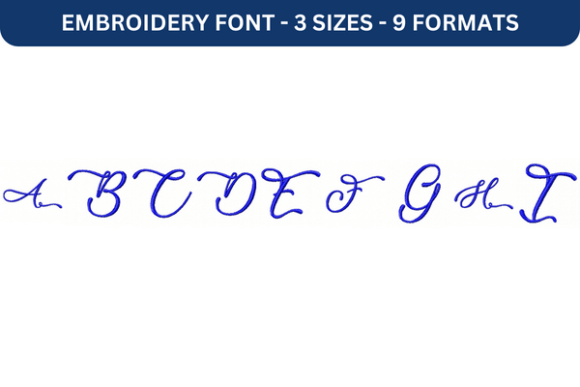
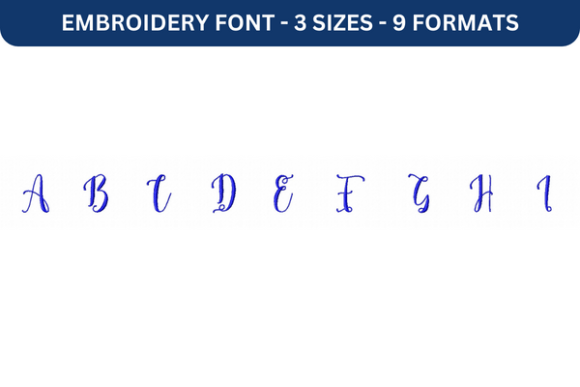
Upon loading the digital embroidery file into my digitizing software, the first thing that stands out about Melany Script Font Upper a to I is its balanced elegance. Many script fonts in the marketplace suffer from being either too thin for stable stitching or so dense that they pucker lightweight fabrics. This font strikes a pleasing middle ground. The uppercase letters possess a classic calligraphic flow with consistent stroke widths, making them visually legible even when scaled down for smaller applications like tags or cuffs.
The visual mood is distinctly versatile. It carries enough formality for wedding linens but retains a playful bounce that fits perfectly within the Back To School category. For Etsy sellers and boutique owners, this duality is crucial. You are not limited to a single niche; the same embroidery file can transition from a sophisticated monogram on a linen pillow cover to a cheerful name on a kindergarten tote bag without looking out of place. The letterforms connect smoothly, reducing jump stitches and ensuring a cleaner finish on the finished product.
Performance on Custom Apparel and Accessories
I tested Melany Script Font Upper a to I across three distinct substrates to evaluate its real-world adaptability: a cotton sweatshirt, a canvas tote bag, and a textured kitchen towel. In custom apparel applications, specifically on fleece-backed sweatshirts, the font performed exceptionally well. The stitch density is sufficient to sit atop the fabric nap without sinking in, yet it remains flexible enough that the garment does not become stiff or board-like. This flexibility is vital for customer satisfaction; nobody wants a personalized gift that feels like armor.
For tote bag design and heavier canvas items, the font’s structure held up against the coarse weave. The satin columns are wide enough to prevent the fabric grain from showing through, which is a common failure point with thinner script fonts. When testing on terry cloth towels, I noted that the letter height allows for adequate clearance above the pile. However, as with any script on textured surfaces, using a water-soluble topping stabilizer is non-negotiable to maintain crisp edges. The font’s natural weight pairs beautifully with these functional items, elevating a basic blank into a premium handmade product.
Navigating Technical Challenges and Stabilization
No embroidery font is perfect for every scenario, and understanding the limitations of Melany Script Font Upper a to I is just as important as knowing its strengths. Because this review focuses on the uppercase set (A to I), designers must be mindful of spacing when combining these letters with lowercase variants or other design elements. Uppercase scripts often have extended swashes or entry/exit strokes that require careful kerning to avoid overlapping or excessive gaps.
When working with small hoop sizes or tiny lettering, caution is advised. While the font is high-quality, pushing any script below its recommended minimum size can result in lost detail or thread breaks. Always perform a test stitch-out on scrap fabric identical to your final project before committing to a paid order. For stretchy knits or performance wear, ensure you are using the correct cut-away stabilizer to prevent distortion. The font’s curves are beautiful, but they will warp if the fabric shifts during stitching. Additionally, for dark fabrics, verify that your thread color contrast is sufficient; the intricate details of the script may get lost if the tonal difference between thread and fabric is too subtle.
Considerations for Caps and Curved Surfaces
If you plan to use this font for cap embroidery, pay close attention to the vertical height of the uppercase letters. Caps present a unique challenge due to their curved surface and limited sewing area. Melany Script Font Upper a to I has a moderate x-height, but some uppercase characters may require slight modification or resizing to fit within the safe zone of a structured cap frame. Always simulate the design in your software’s 3D view or run a physical test on a spare cap to confirm alignment. For embroidered patch creation, the font’s clean lines translate well to merrowed edges, provided you add an appropriate underlay to stabilize the twill base.
Commercial Value and Brand Consistency
For creative entrepreneurs and digital product sellers, consistency is the bedrock of brand trust. Using Melany Script Font Upper a to I as a staple typeface in your catalog can help establish a cohesive aesthetic across diverse product lines. Whether you are selling physical sweatshirt embroidery services or listing design assets for other crafters, this font projects professionalism. It avoids the amateurish look of poorly digitized freebies while offering enough character to distinguish your work from generic stock options.
From a marketing perspective, this font photographs beautifully. The clear definition of the stitches makes for excellent macro shots in product photography, helping potential buyers visualize the quality of your work. When creating printable mockups for your online store, the font’s proportions scale accurately, reducing the discrepancy between what customers see on screen and what they receive in the mail. This accuracy reduces return rates and builds long-term buyer confidence. Furthermore, because it works well for both adult and child demographics, it maximizes the ROI of your design time; one font purchase supports multiple revenue streams.
Practical Notes for Professional Use
Before adding Melany Script Font Upper a to I to your next production run, keep these practical tips in mind to ensure success:
- Verify Licensing: Always check the specific license terms on the Creative Fabrica product page. Confirm whether your intended use (e.g., selling physical embroidered goods vs. selling the digital file itself) is permitted.
- Check File Compatibility: Ensure the included formats match your machine’s requirements. While most modern machines read standard formats, older models may need conversion.
- Test Stitch Density: If layering this font over appliqué or fill stitch backgrounds, run a test to ensure the combined density does not cause needle breaks or fabric perforation.
- Thread Color Planning: Script fonts show variegated thread changes differently than block letters. Test variegated threads on scrap fabric to ensure the color transitions enhance rather than distract from the letterforms.
- Stabilizer Selection: Match your stabilizer to the fabric weight. Use tear-away for stable wovens and cut-away for knits to preserve the font’s fluid shape after washing.
Final Verdict for Makers
Melany Script Font Upper a to I proves to be a dependable asset for professional embroiderers and hobbyists alike. Its strength lies in its adaptability; it is refined enough for heirloom baby blankets yet durable enough for everyday school gear. By respecting its technical parameters and pairing it with proper stabilization, you can produce personalized gift items and commercial merchandise that stand out in a crowded marketplace. For those seeking a reliable, aesthetically pleasing script to anchor their typography library, this font delivers tangible value beyond its initial download. As always, validate the specific product details and license on Creative Fabrica to ensure it aligns with your unique business needs before beginning your next project.