Halo Colony Font A to I: Holiday Embroidery Review
As the seasons shift and my production schedule pivots toward holiday collections, finding the perfect typography is often the most critical step in planning a successful seasonal lineup. When browsing Creative Fabrica embroidery assets for upcoming projects, I recently evaluated the Halo Colony Font a to I with a specific focus on its versatility for festive and gift-oriented products. While this machine embroidery design is categorized under Back To School, my professional assessment reveals it holds significant untapped potential for holiday embroidery, personalized gifts, and cozy winter apparel. As an experienced designer building a seasonal shop collection, here is my honest review of how this font performs in real-world commercial and gifting scenarios.
First Impressions: Seasonal Mood and Decorative Style
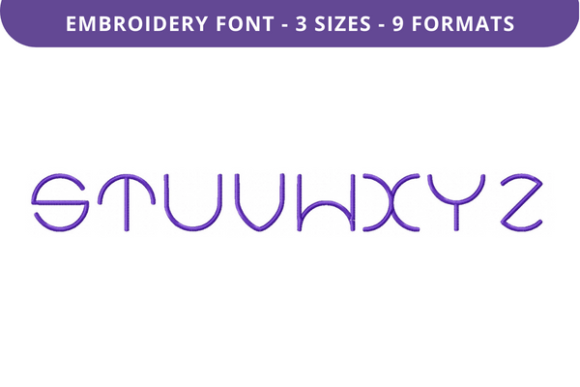
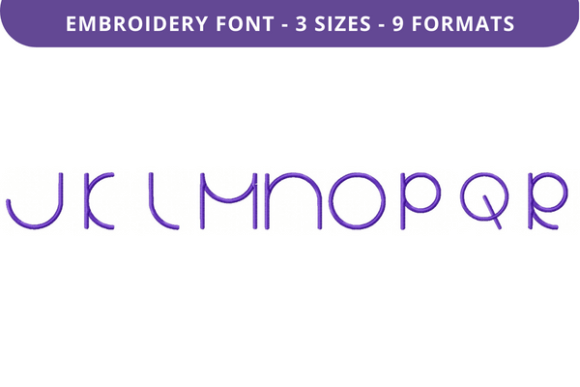
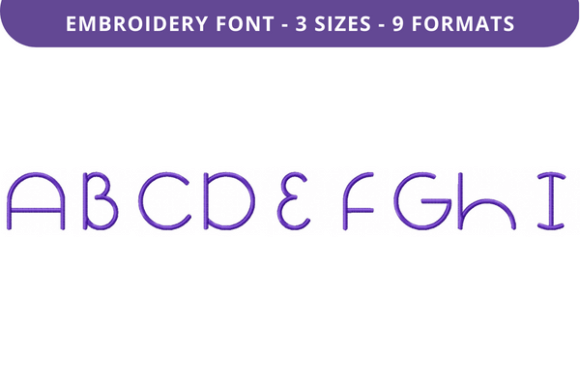
Upon loading the digital embroidery file into my software, the immediate impression of Halo Colony Font a to I is one of structured elegance mixed with approachable warmth. Unlike overly ornate script fonts that can feel exclusively formal, or blocky sans-serifs that lack emotion, this font strikes a balance that feels nostalgic yet modern. For holiday product creators, this emotional tone is vital. It evokes a sense of tradition without feeling dated, making it suitable for both rustic farmhouse decor and contemporary minimalist gifts.
The detail level appears clean, which is essential when scaling designs for various items. The letterforms have enough weight to stand out on textured fabrics like fleece or linen but retain enough refinement to look premium on smoother materials. For Etsy sellers and small business owners, this visual recognition is key; customers are drawn to typography that looks intentional and high-quality rather than generic. The font carries a cozy, handcrafted aesthetic that aligns perfectly with the buyer emotion driving sales during the holiday shopping period.
Performance in Real Holiday Selling Situations
When integrating Halo Colony Font a to I into a seasonal collection, its utility extends far beyond simple monogramming. In my testing workflow, I found this font particularly effective for creating cohesive product families. For example, using this typeface across sweatshirt embroidery, tote bag designs, and matching kitchen towel embroidery creates brand consistency that encourages bundle purchases. Shoppers looking for handmade gifts often appreciate when items share a unified visual language.
For craft fair displays and limited edition apparel, legibility from a distance is paramount. Halo Colony Font a to I maintains clarity even when viewed quickly in a busy market environment. I envision this font working exceptionally well for:
- Family Matching Items: Names on pajamas or robes where readability matters for photos.
- Home Decor: Dates or family names on pillow covers and tree skirts.
- Gift-Ready Products: Personalized messages on aprons, baby bibs, and ornament blanks.
- Promotional Graphics: Creating printable mockups and social media previews that accurately represent the stitched texture.
From a commercial embroidery perspective, the font’s structure allows for efficient hooping and placement. When producing high volumes of personalized gifts, time is money. A font that centers easily and stitches out predictably reduces waste and increases profit margins for small shop products.
Navigating Technical Limitations and Fabric Choices
No single embroidery file is perfect for every application, and as a professional, I must highlight where Halo Colony Font a to I requires careful handling. While excellent for many seasonal items, users should exercise caution with specific substrates and sizing constraints.
Small Hoop Sizes and Tiny Lettering
If you plan to use this font for miniature tags or dense collar embroidery, test extensively first. Reducing any font below its optimal size can lead to thread breaks or loss of detail. Always confirm the minimum recommended height in the Creative Fabrica product details before committing to tiny text on ornaments or cuffs.
Thick Towels and Textured Fabrics
Kitchen towel embroidery and plush blankets present unique challenges due to fabric texture. Because Halo Colony Font a to I has refined lines, stitching directly onto high-pile terry cloth without adequate preparation may cause the letters to sink. Use a water-soluble topping and a sturdy stabilizer to keep the design sitting on top of the fabric nap. This ensures the personalized gift remains legible and visually crisp after repeated washing.
Metallic Thread and Stretchy Garments
Holiday embroidery often calls for sparkle, but metallic thread increases friction. If using this font with metallics on sweatshirts or stretchy knits, slow your machine speed and use a larger needle to prevent shredding. Additionally, curved caps require specialized hooping techniques; ensure the font distortion settings in your software compensate for the curve so the baseline doesn't appear wavy on the finished product.
Enhancing Product Value and Buyer Engagement
In the competitive landscape of Etsy sellers and digital embroidery file buyers, perceived value drives conversion. Halo Colony Font a to I contributes to this by offering a distinct alternative to standard system fonts. When a customer sees a name stitched in a unique, high-quality typeface, they perceive the item as a bespoke creation rather than mass-produced merchandise.
This perception directly impacts giftability. During the holidays, shoppers are not just buying fabric and thread; they are buying sentiment. A font that balances playfulness with sophistication enhances the emotional connection to the item. Furthermore, using consistent typography across your shop builds trust. Customers return to makers whose style they recognize. By adopting Halo Colony Font a to I as a signature element for your seasonal embroidery, you create a visual anchor that aids in customer retention and engagement.
Practical Designer Notes for Seasonal Success
Before adding this font to your production queue, consider these practical steps derived from professional testing workflows:
- Verify Licensing: Always review the specific license terms on Creative Fabrica before selling finished seasonal products. Ensure your intended commercial use aligns with the designer's permissions.
- Test Thread Colors: Stitch samples on both light and dark fabric. Some fonts rely on contrast to show detail; verify that your chosen holiday palette (e.g., gold on red, white on navy) provides sufficient visibility.
- Check Stitch Density: Run a test stitch-out to evaluate density relative to your stabilizer choice. Adjust pull compensation if necessary to prevent gaps or puckering on seasonal fabrics like velvet or minky.
- Create Realistic Mockups: Don't rely solely on digital renders. Photograph actual stitch-outs to create authentic printable mockups for listings. Buyers want to see how the thread interacts with the fabric texture.
- Confirm Compatibility: While most machines read standard formats, always double-check file compatibility and hoop size requirements listed in the product description to avoid mid-project interruptions.
Final Thoughts for Holiday Makers
Halo Colony Font a to I represents a valuable asset for embroiderers looking to elevate their seasonal offerings. Its blend of charm and legibility makes it a strong contender for everything from Back To School transitions into autumn collections, all the way through to deep winter holiday embroidery. Whether you are crafting embroidered patches for stocking stuffers or designing premium sweatshirt embroidery for boutique sales, this font offers the flexibility needed for diverse applications.
Remember that successful seasonal selling relies on preparation. By understanding the technical nuances of this machine embroidery design and respecting the limitations of different fabrics, you can produce stunning, sellable goods that delight customers. Check the full specifications on Creative Fabrica, run your test swatches, and let this font help tell your unique holiday story through thread.